
ISSUE #11 • SUMMER 2026
From the
Ground Up
Conversations about conservation,
climate, and communities in New England.
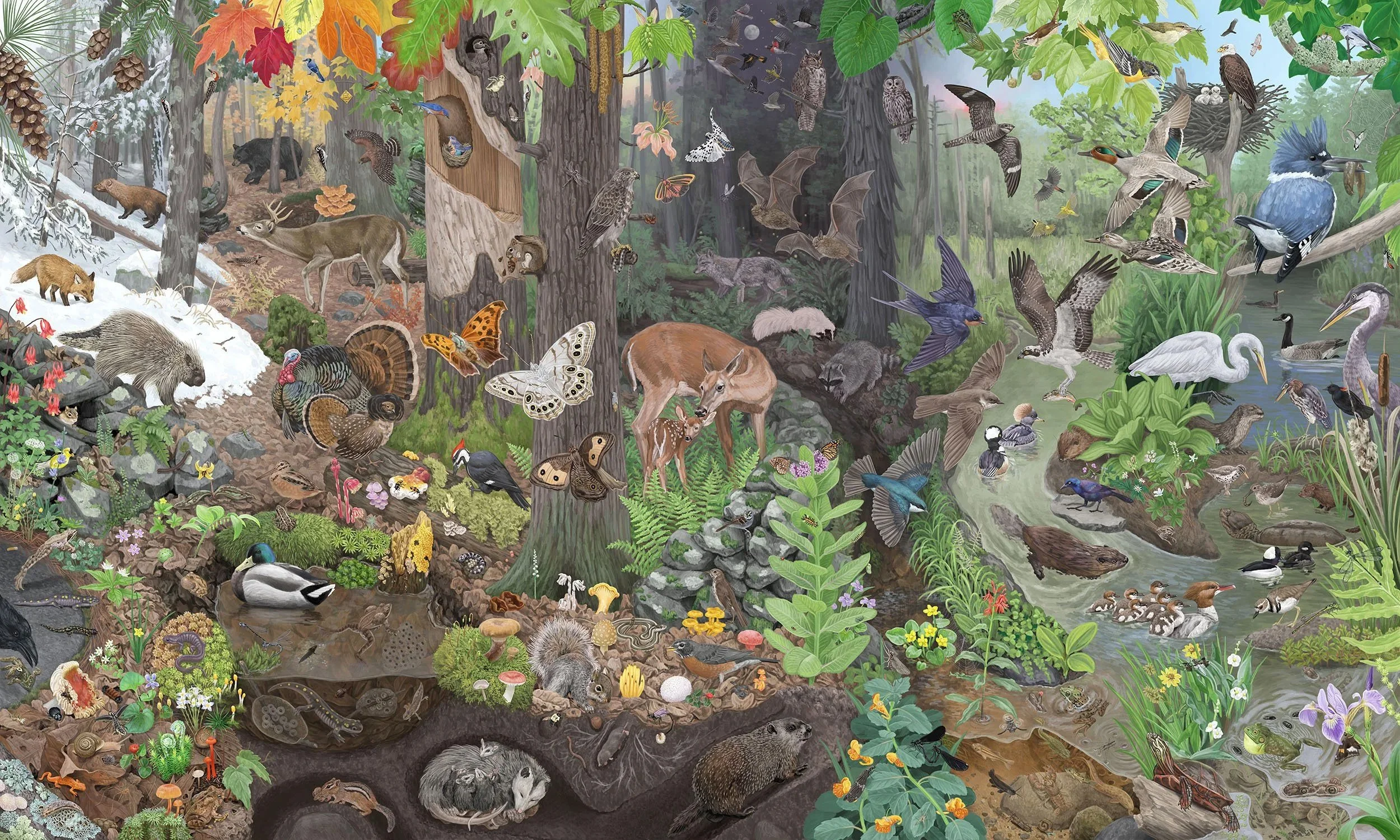
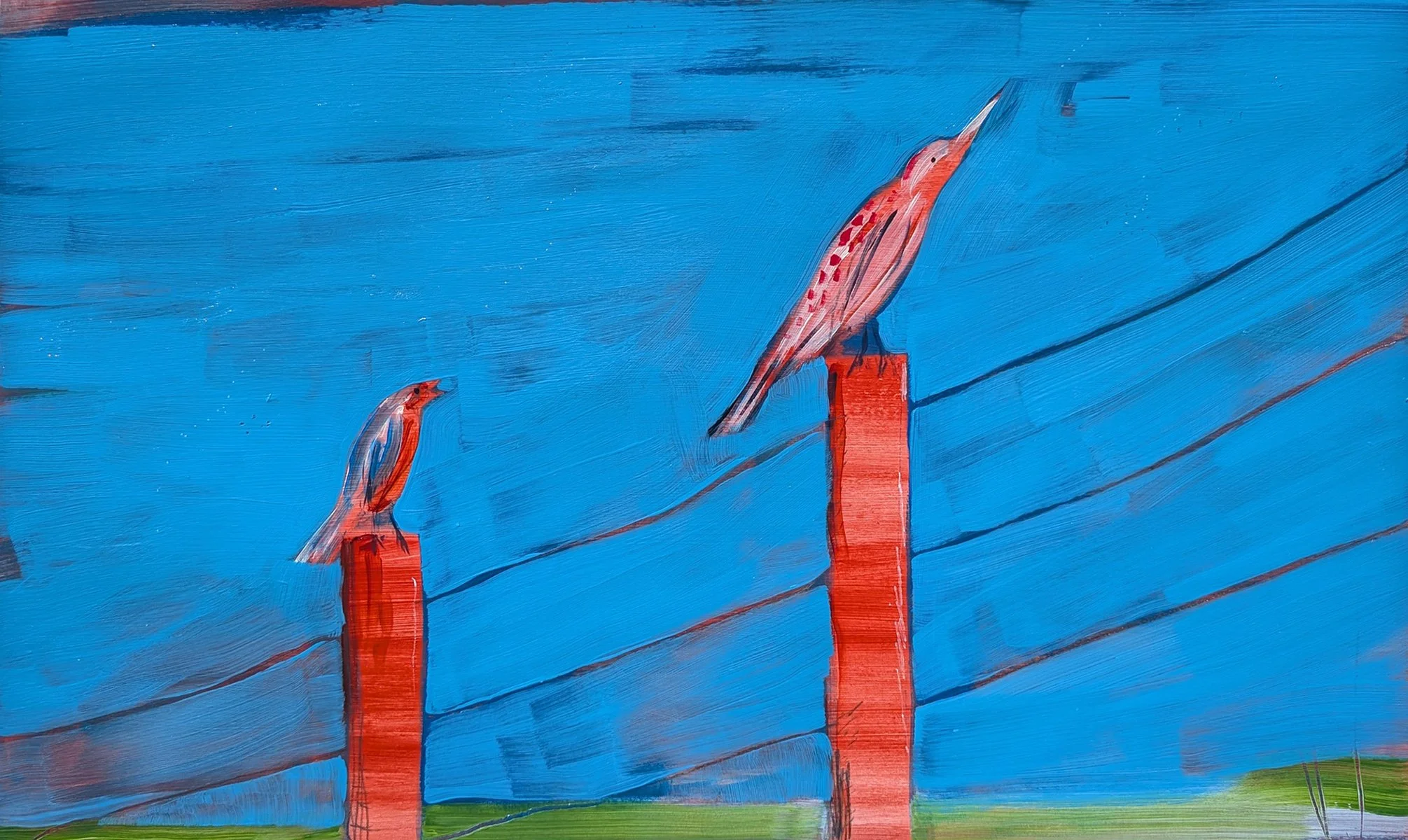
ARTWORK BY Zoe Keller - "Zena Woods Biodiversity" - Explore the featured habitats and speciesWelcome to the Summer 2026 Issue
Biodiversity
High summer invites us to notice life in all its abundance, and this issue turns our attention to biodiversity, “the very stuff of life.” Around the world, species are disappearing at staggering rates, yet conservation offers tools for slowing that loss. In these pages, we look closely at what we have, what is at risk, and how people are working to protect it. From rare species and natural heritage programs to forests, birds, soils, fish, and plants, this issue call us to love nature deeply and protect it fiercely.
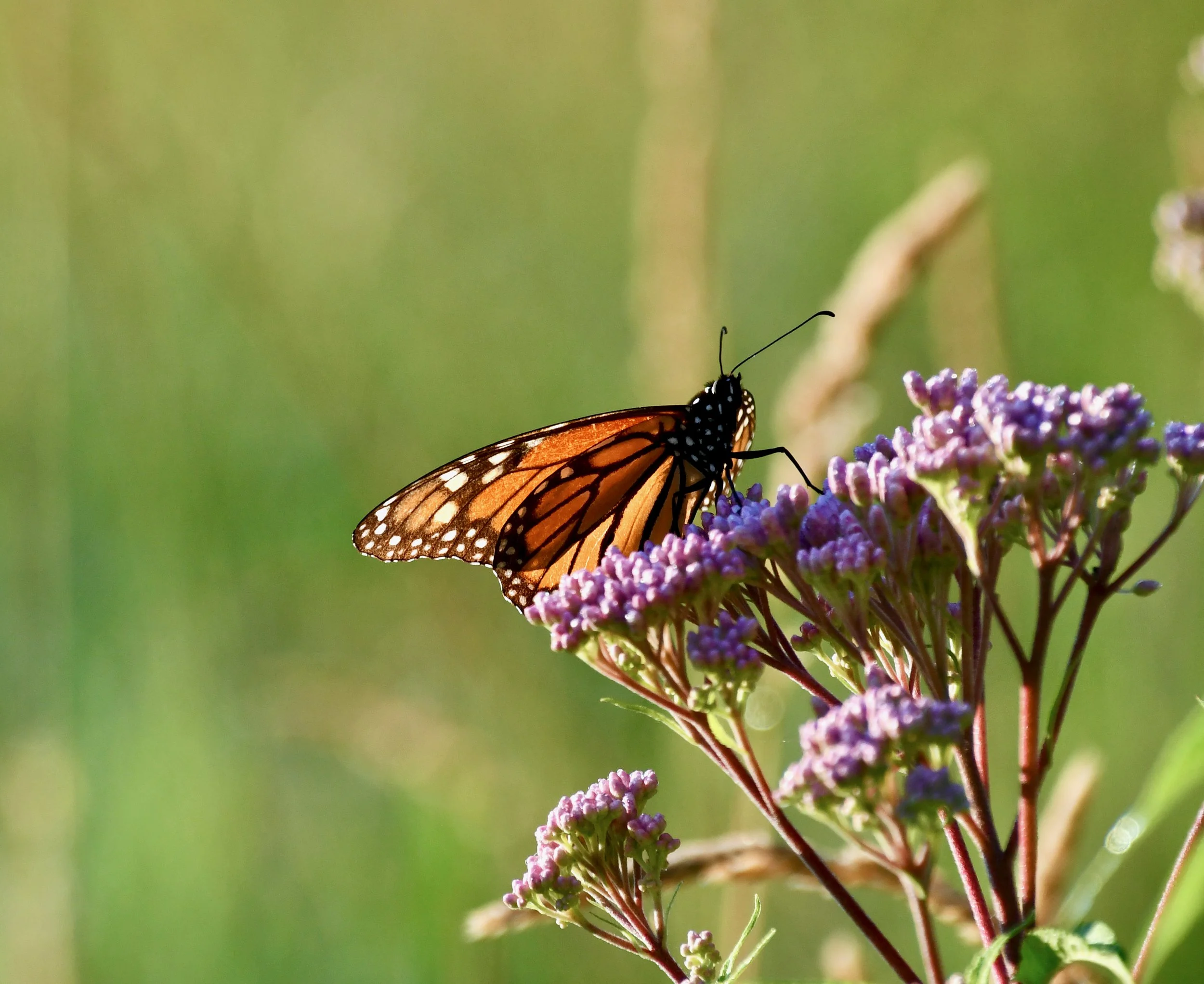
What grows in your woods? What crawls on the wet road in the early spring rains? What are those fungi on that dying tree? Who flies to your bird feeder? Who is too shy to come near? What butterflies land on the wildflower in the field? What is that shiny insect on the dogbane out back? What swims in the stream? What lives in the soil underground?
This is Biodiversity, the subject of this issue. We explore what it is, why it matters, how we measure it, what we know, and what we don’t know. We ask what we are losing, and how we can slow the loss.
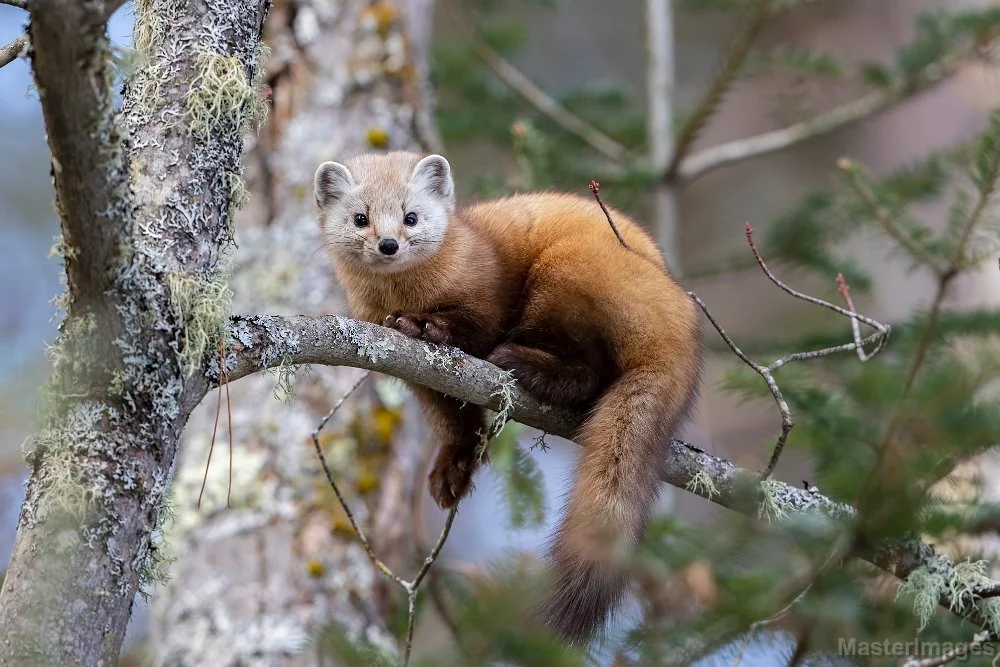
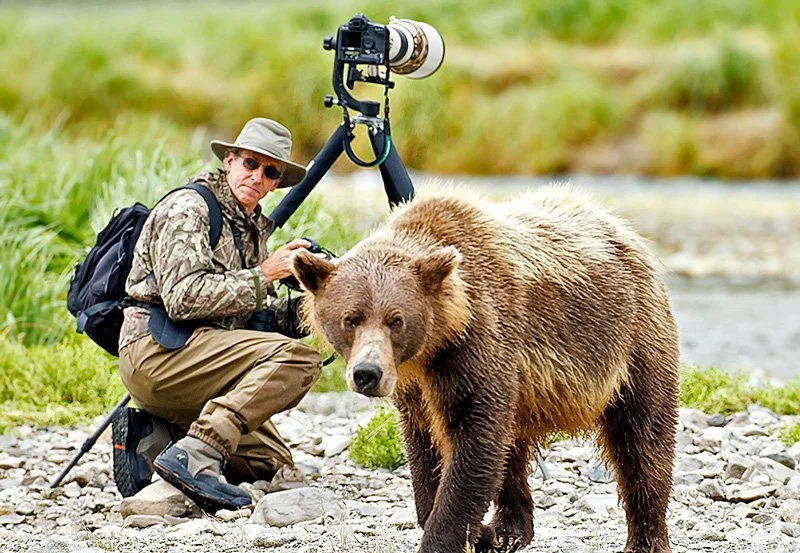
In our interview with Larry Master in this issue, he speaks of the beginnings of the network of Natural Heritage Programs, now NatureServe. Since childhood, Larry has had a passion for nature, especially birds and mammals, and for photography as both a source of enjoyment and a tool for conservation. He has traveled worldwide to photograph some of the most imperiled species in the world, from polar bears to black rhinos. Larry expresses beautifully his passion for photography and his reason for giving freely of his work in this wonderful short video. We are honored to share these stunning photos of some of this region’s imperiled species.

FEATURE • ISSUE 11
On the Road with Real Naturalists
By Brian Donahue
I am not a naturalist. As a farmer, woodcutter, and environmental historian, I have spent much of my life outdoors, working in nature. I am an aspiring naturalist—I can identify many common plants and animals, have an idea where I am likely to find them, and have some sense of what they are doing there.
Real naturalists are a different breed of cat. They can identify everything—not just common (and rare) birds, trees, and wildflowers, but mussels, moths, and mosses—and they know exactly where to find them. They also know exactly what these creatures are doing—which, besides being part of an ecosystem, is waiting for a real naturalist to come along and make sure they are still there.
FEATURE • ISSUE 11
Cultivating Biodiversity
A Soil Profile of a New England Farm
By Joshua T. Anderson
Nestled between Salmon Brook, the largest tributary to the Farmington River, and the Barn Door Hills, Holcomb Farm in West Granby, Connecticut, squats on 318 acres that once bloomed in shade tobacco. The surrounding hills were blanketed by hay meadows grazed by dairy cattle. Remnant trees from the historic apple orchard still produce fruit along the small arboretum known as the Holcomb Tree Trail.
The quaint romance of a New England farm is often at odds with the region’s history of soil degradation rooted in earlier eras of poor farming practices, as well as the loss of biological diversity caused by rampant deforestation from the colonial era through the mid nineteenth century.
FEATURE • ISSUE 11
The Nature of Weeds and Invasive Plants
Context Is Everything
By Peter Del Tredici
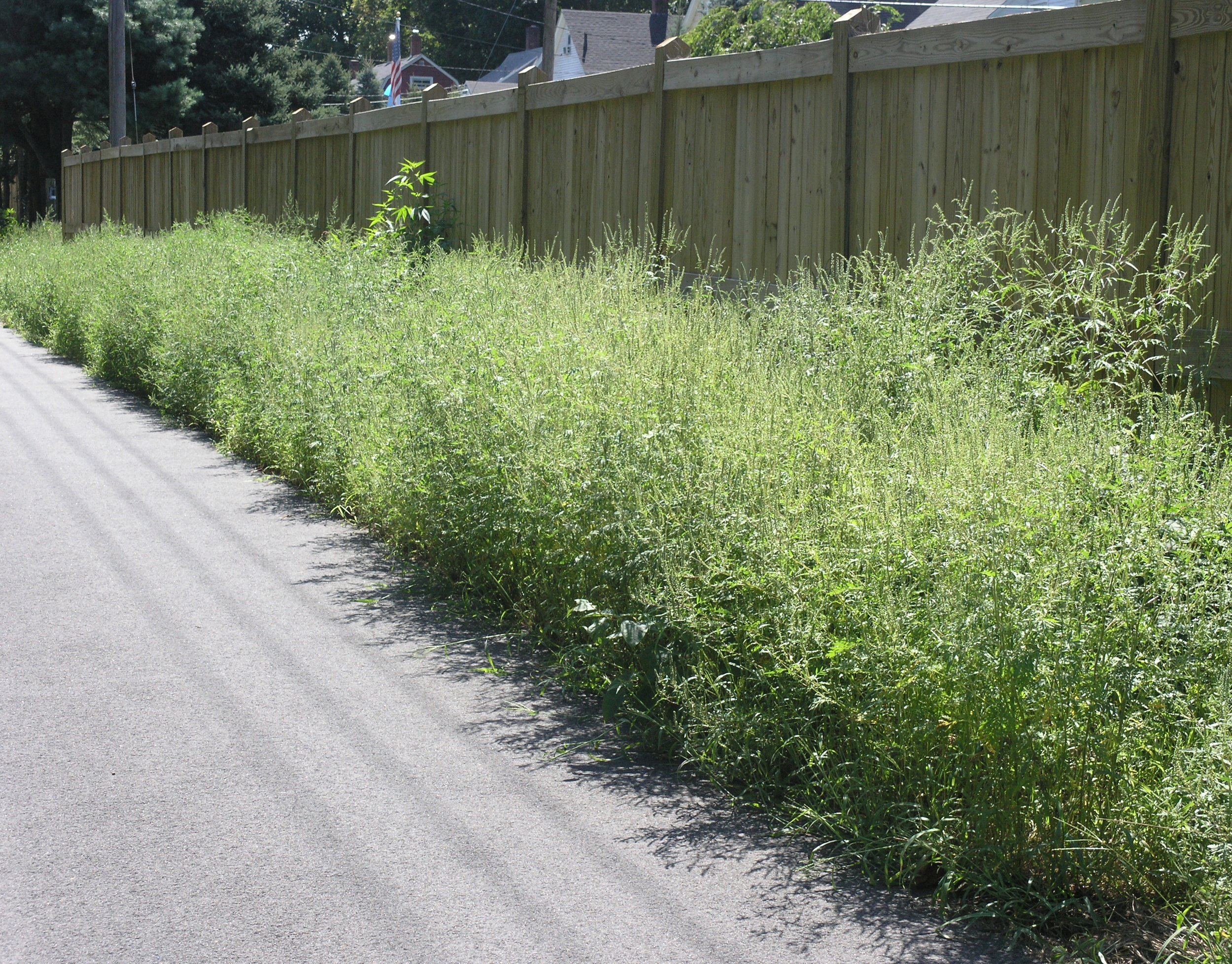
When reviewing the many definitions of the word “weed” in the horticultural literature, the one concept that clearly stands out is that it is a cultural rather than a biological construct. Simply put, a weed is a plant that people don’t like because it grows where they don’t want it to grow. In other words, it is the context in which a plant is growing—not the plant itself—that makes a weed.
A weed-related term whose meaning is also determined by its ecological context is “invasive species,” which refers to a non-native plant that has been transported—intentionally or unintentionally—by humans and has established itself in “natural” landscapes, spreading quickly and disrupting ecosystems.
FEATURE • ISSUE 11
Taking Stock
Fisheries Management and Its Impacts on Biodiversity
By Colby Galliher
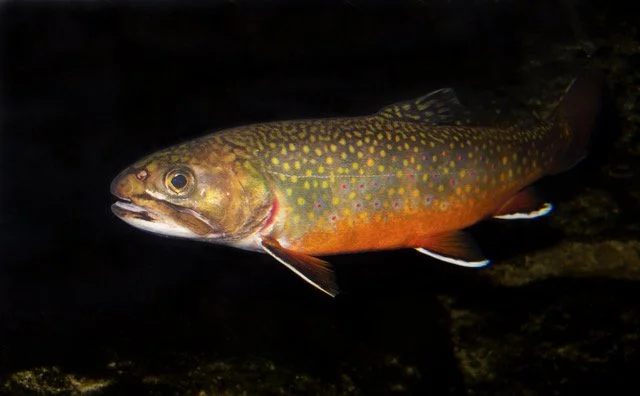
Among the assets that set our lush planet apart, an abundance of fresh water is perhaps the most precious. Yet the flora and fauna that inhabit freshwater ecosystems are desperately beleaguered. The World Wildlife Fund’s Living Planet Report 2020 indicates that freshwater biodiversity has declined by 84 percent since 1970—double the already punishing declines on land and in the sea.
An array of factors has brought our waters to this point. We have dammed, drained, diverted, and polluted them the world over. In addition to disrupting natural flows and poisoning waters with chemicals, we have introduced non-native species into sensitive freshwater food webs.
Conversations
Diversity in Deadwood
An Interview with Forest Ecologist Dr. Shawn Fraver
by Liz Thompson
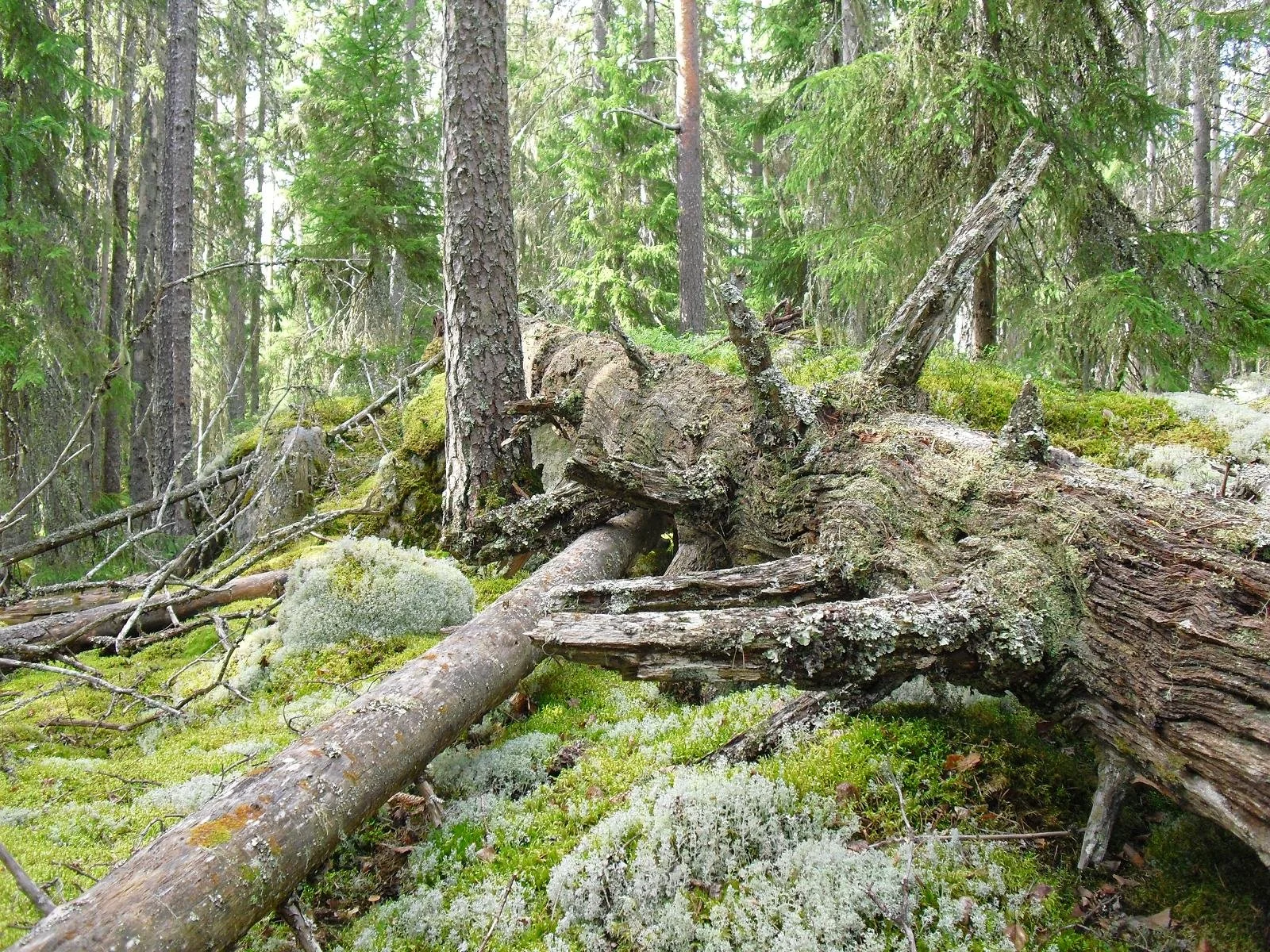
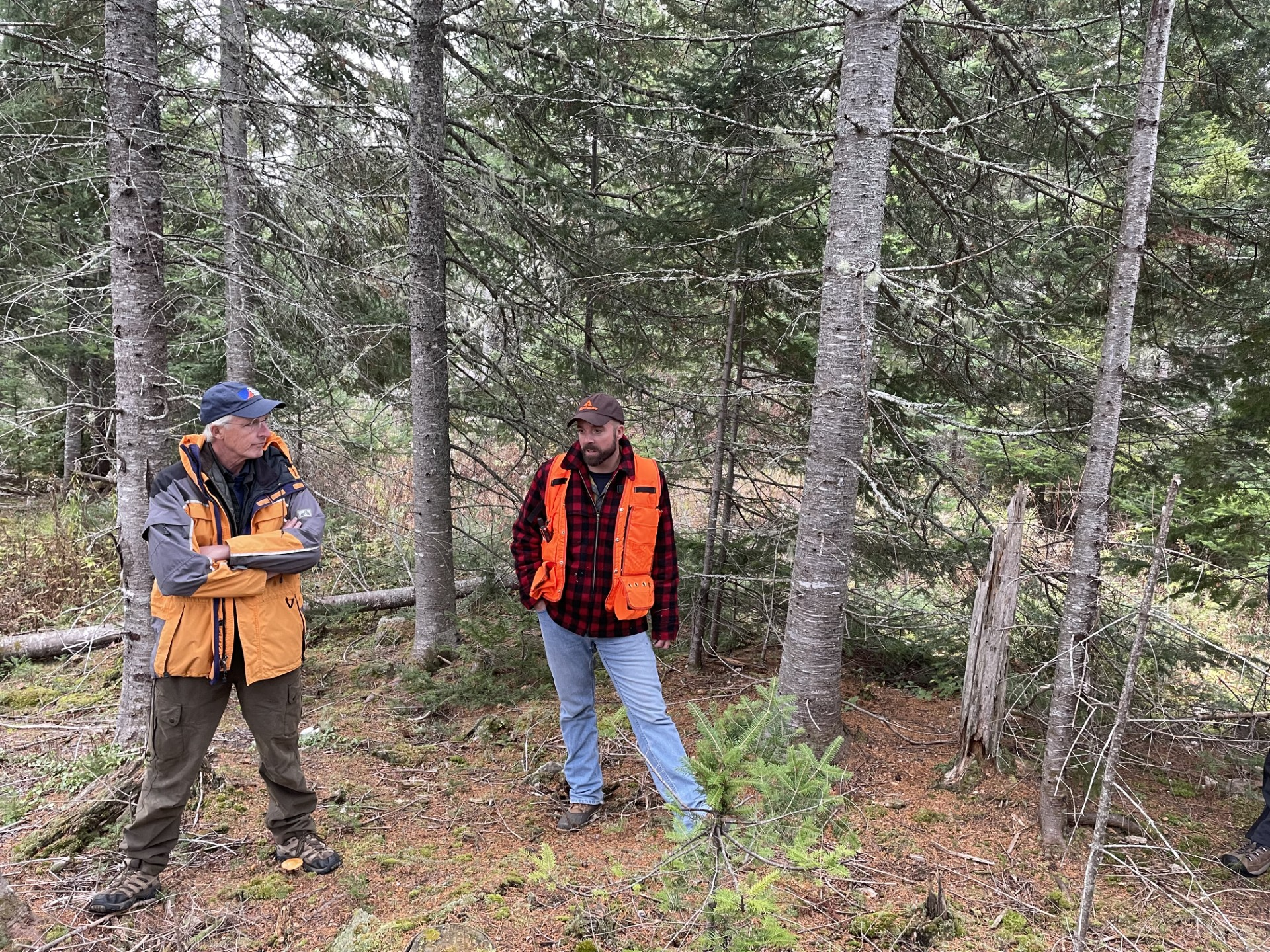
Shawn Fraver is an icon in the world of forest ecology. He is widely published and has inspired many students and peers with his deep knowledge of forest ecology. Of particular note is his collaboration with several scientists in Sweden, Norway, and Finland, where the study of forests is aided by a commitment to detail—to knowing the organisms that live on a particular species of tree or in a certain age of decaying wood. Dr. Fraver spoke on some of these topics recently, and he opened my eyes to the great biodiversity that is known from European old forests. In Fennoscandia as a whole, a full 7,000 species are known to rely on deadwood. And one-third of Sweden’s red-listed species depend on deadwood. These are astounding numbers—how do they even know all these species? I asked Dr. Fraver to talk with me a bit more about those findings and how we can learn from what is known in Europe.
The Last of the Least and the Best of the Rest
An Interview with Larry Master
by Liz Thompson
In 1951, The Nature Conservancy boldly branched out from the Ecologists Union—itself an offshoot of the Ecological Society of America—and began operations as a nonprofit organization dedicated to protecting nature through land acquisition. How was it to protect nature? Where to start? In the early days, it relied on various scientists to recommend places to protect, but it soon became clear that a more systematic approach was needed.
This is where Dr. Robert Jenkins comes in. Bob Jenkins, who joined the Conservancy in the early 1970s as its first Science Director, oversaw the development of a methodology to gather and record data on imperiled species and ecological communities. He saw the importance of creating individual state programs that could tap into existing knowledge, programs, and personnel, while still using a standardized methodology and ranking system.
Following Flynn, Finding Floerkea (Why Little Things Matter)
An Interview with Grace Glynn
by Liz Thompson
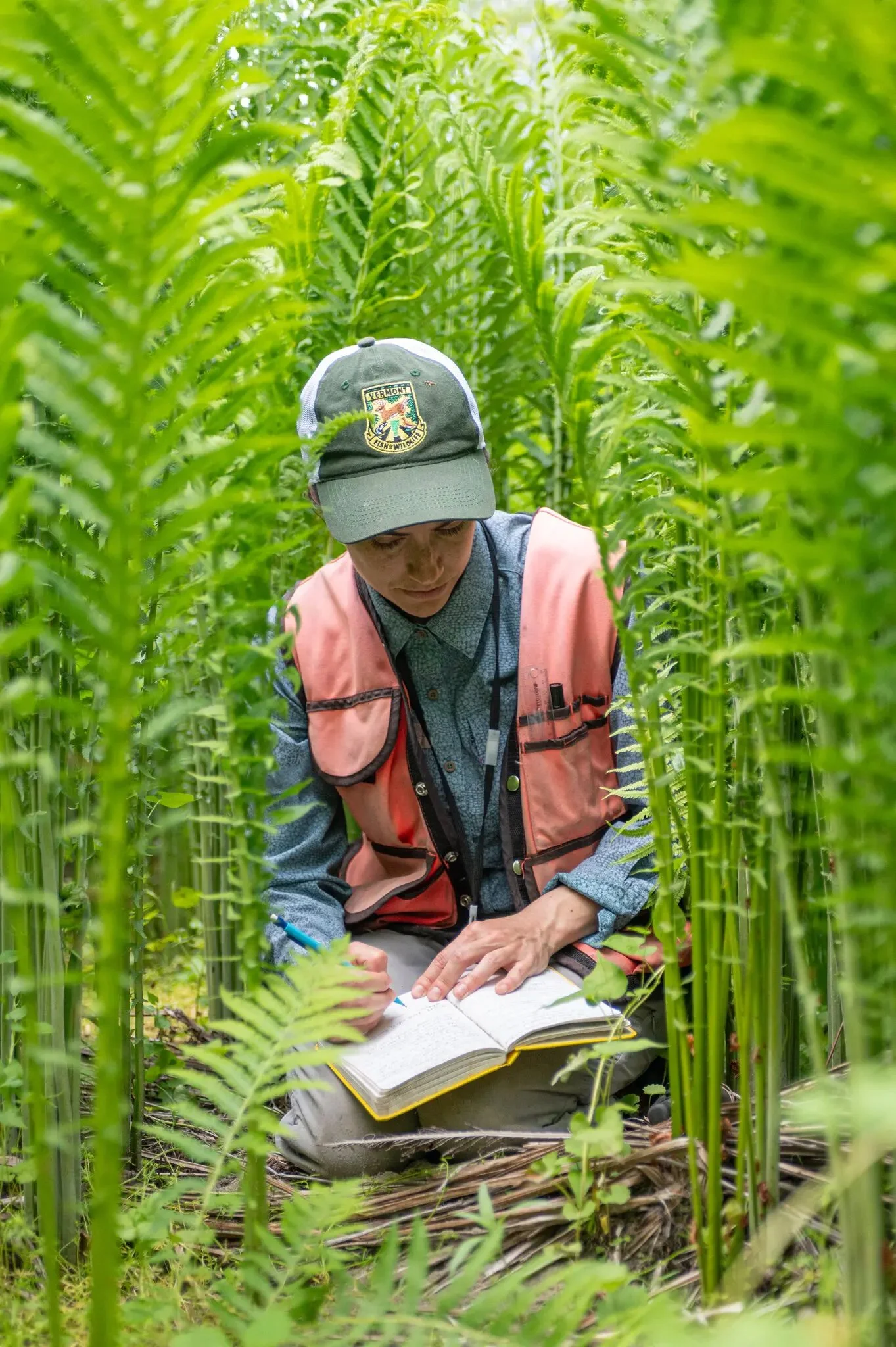
I’ve known Grace Glynn since her graduate school days, when she took a field botany and ecology course that I taught. I knew right from the get-go that she would be a force in the world of botany, ecology, and conservation. Following graduate school, she did exactly what Larry Master recommends—she found the top botanists in the region and accompanied them in the field to learn everything she could about the plants of the region and, more importantly, how to look for them. Field botany can be an underappreciated calling, but that all changed when Grace rediscovered a very rare and inconspicuous plant, and The New York Times decided it was worthy of a story. We’re delighted to have Grace recall here what happened, and to reflect on why such a tiny and unassuming plant matters in the big scheme of things.
Research Digest
Effects of Forest Management on the Conservation of Bird Communities
by Jonathan Thompson and Lucy Lee
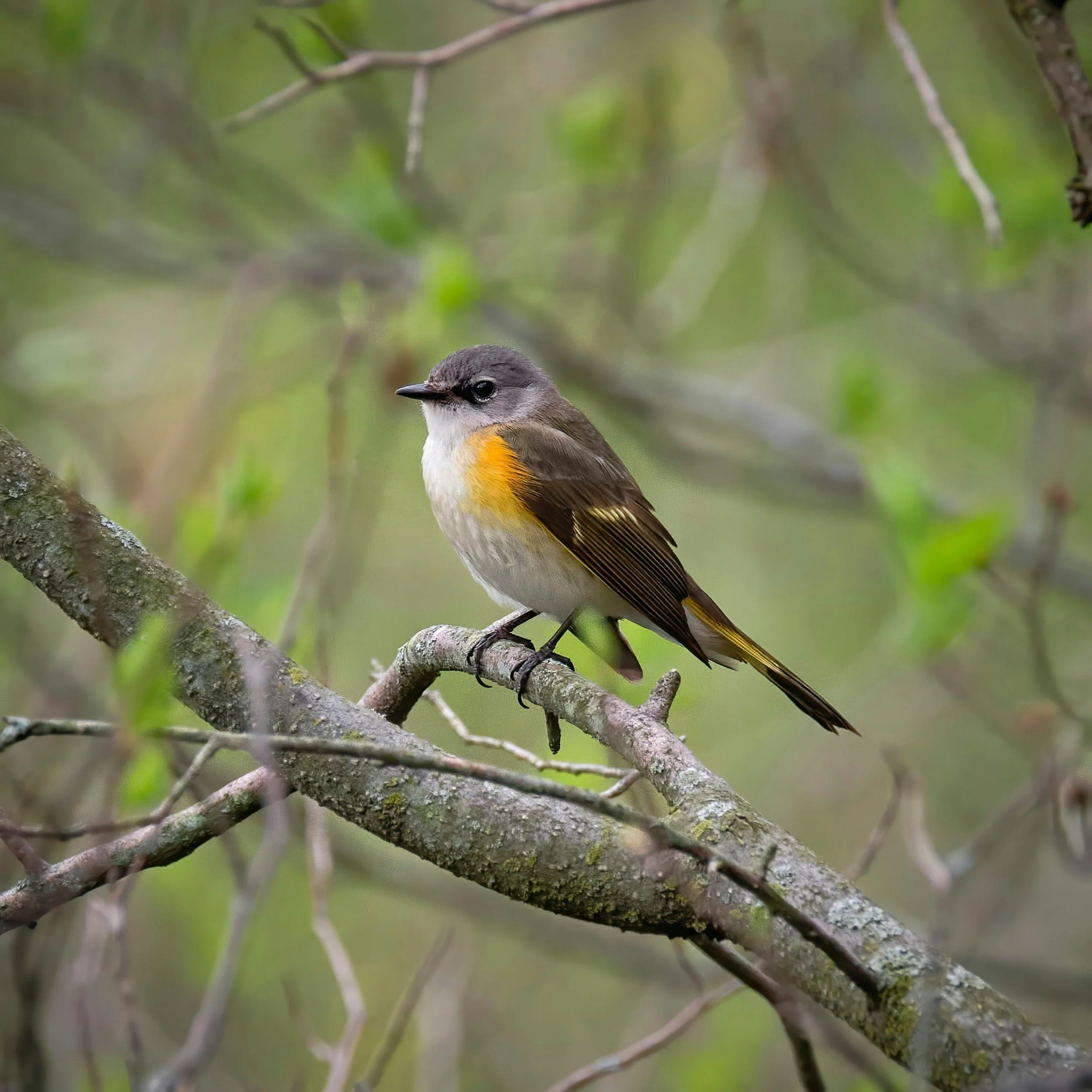
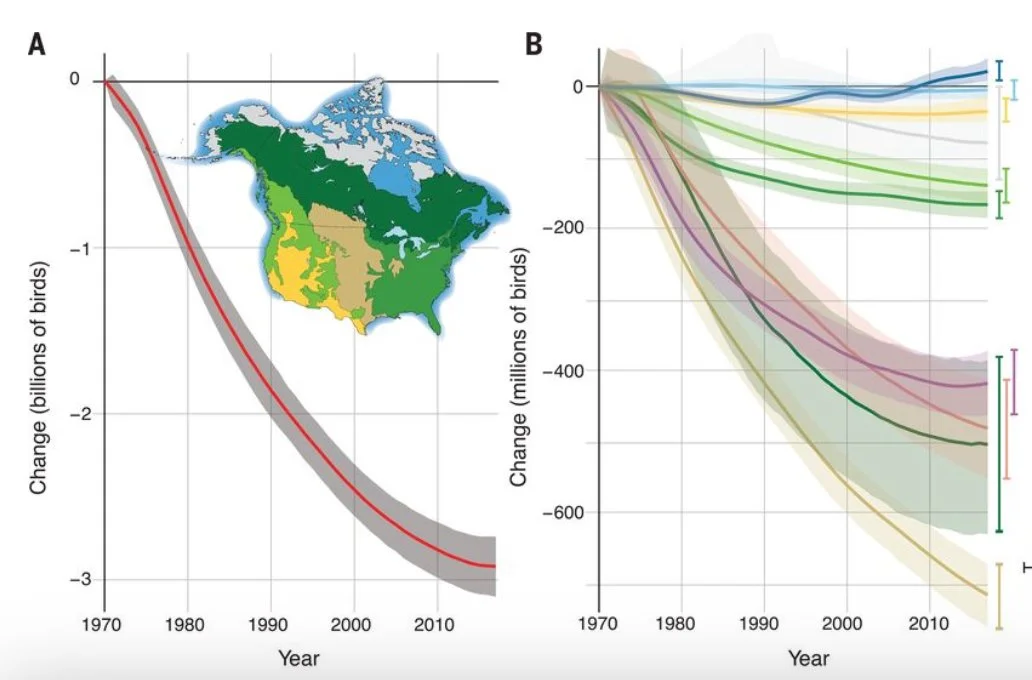
Birds are among the most beloved and well documented victims of the biodiversity crisis. Since 1970, the population of North American birds has dropped by nearly three billion, including 170 million Eastern forest birds. As climate change and biodiversity loss reinforce each other, those who steward forestland increasingly ask what role they can play to help.
Akresh and colleagues offer timely guidance. Through a meta-analysis of 33 studies, they synthesize how retaining canopy trees after harvest affects bird densities across eastern North America.
Food and Farming Research Update
by Molly D. Anderson
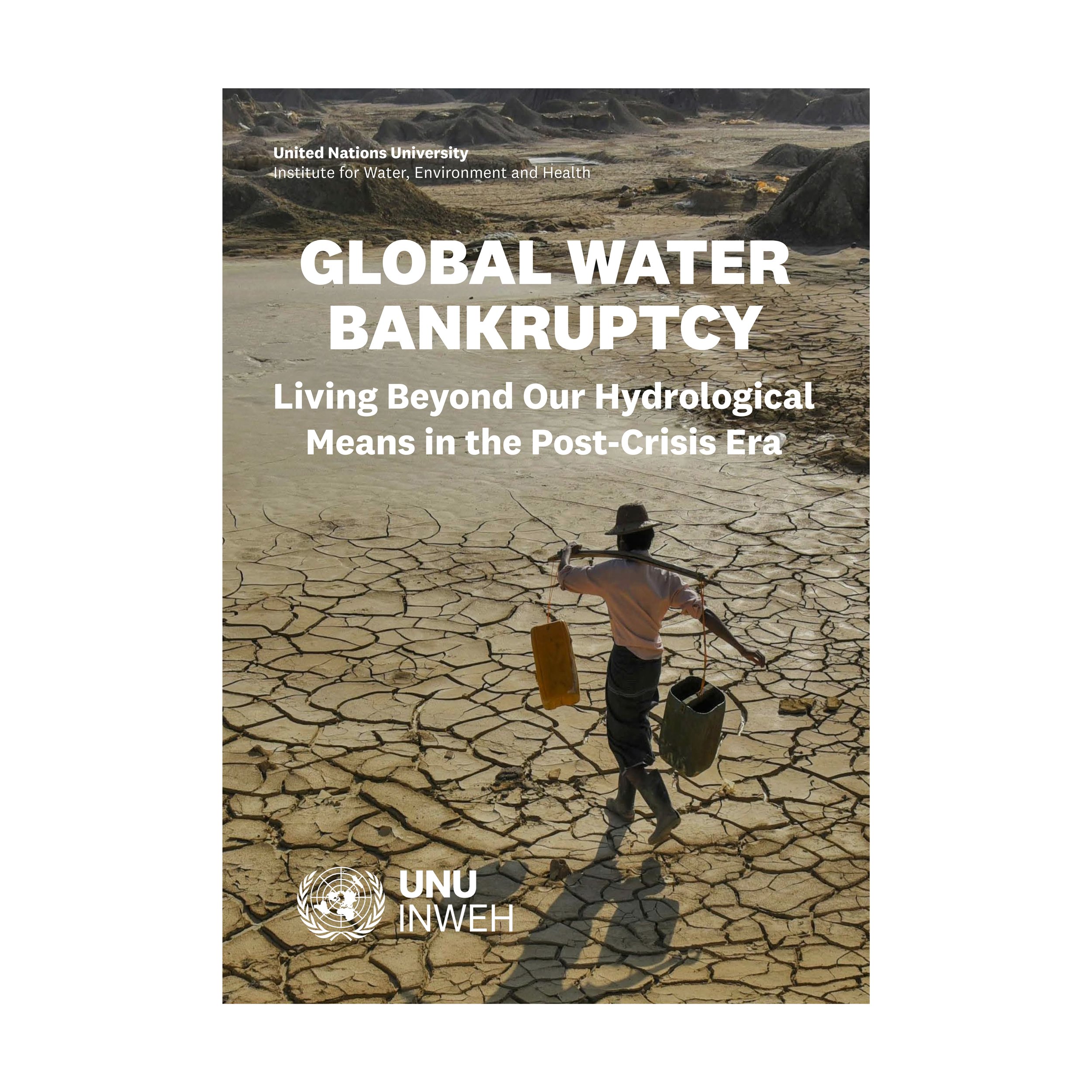
In our age of polycrises, it is often difficult to know which problems are most acute. A recent report from the UN University Institute for Water, Environment and Health, Global Water Bankruptcy, describes global water shortages, which of course are connected with climate change as the world heats up and many areas no longer have reliable rainfall and snowmelt. Humans can live a few weeks without food, but for only about three days without water. The lack of fresh water already threatens several major cities, such as Cape Town, Los Angeles, Phoenix, Tehran, and Cairo. In fact, half the world’s 100 largest cities are experiencing high levels of water stress, with 38 of these sitting in regions of “extremely high water stress.” Nearly three-quarters of the world’s population lives in countries classified as water-insecure or critically water-insecure, and parts of the water ecosystem have been degraded beyond prospects of recovery.
Conservation in Action
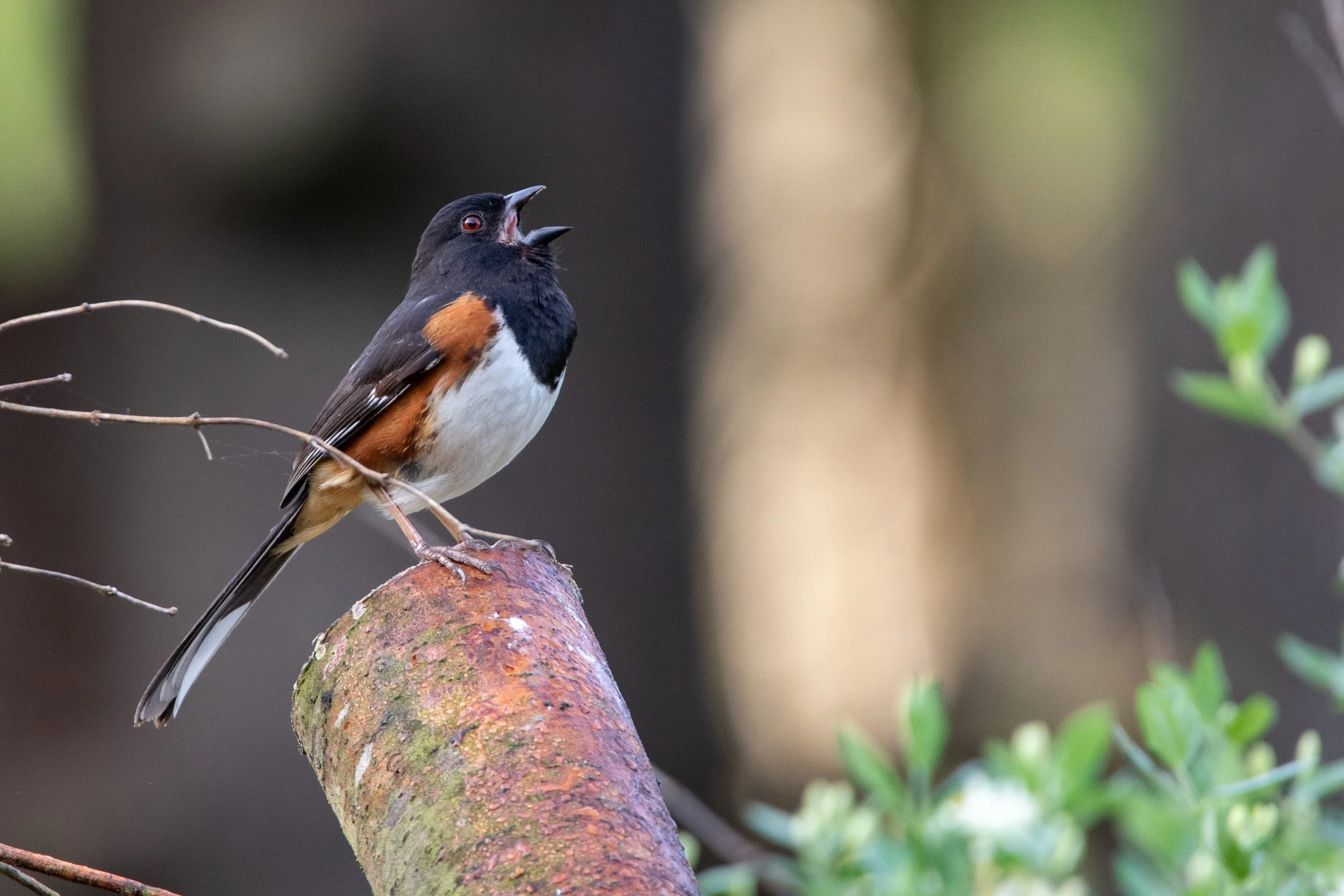
Call Them by Their Names
Envisioning a Sustainable Future through the Joy of Birds
by Jeff Ritterson
As an ornithologist, I often ponder the tendency of humans to categorize things, especially when it comes to the natural world. Take birds. A huge amount of energy goes into gathering evidence and debating whether a single species should be split into several, or which lineage a group of birds belongs in—not to mention appropriately naming each species. And yet, the birds don’t care. Or rather, they are completely unaware. Each is driven to survive and reproduce, regardless of how they’re named. Some species even readily hybridize with each other.
That said, categorizing the natural world helps us to make sense of what is around us and, more importantly, to make connections. Whether you call it a chewink, a ground-robin, or Pipilo erythrophthalmus, by naming it you have already established a personal connection with the eastern towhee.
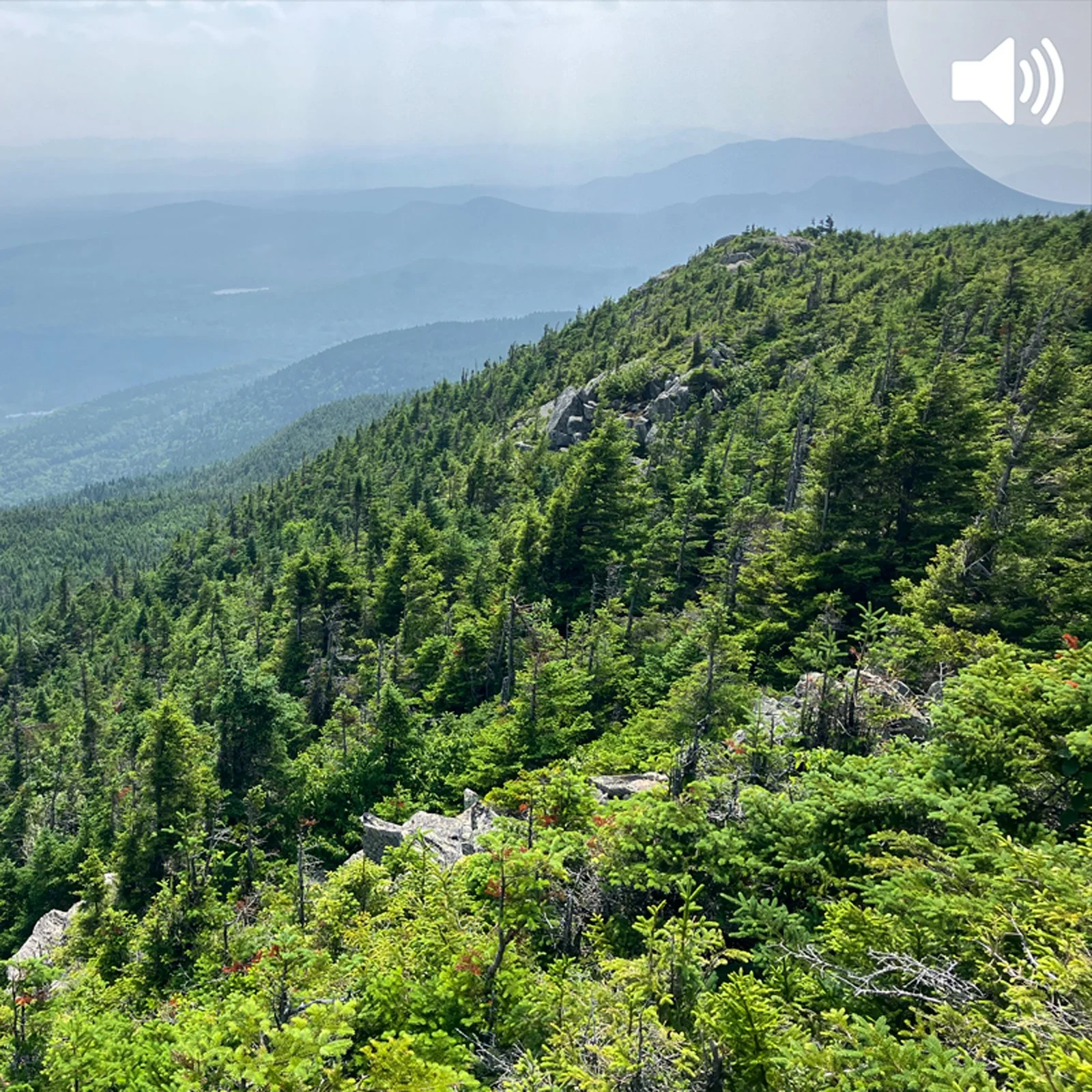
Wildlands and Exemplary Forestry Together
Our Big Chance to Improve Biodiversity in New England
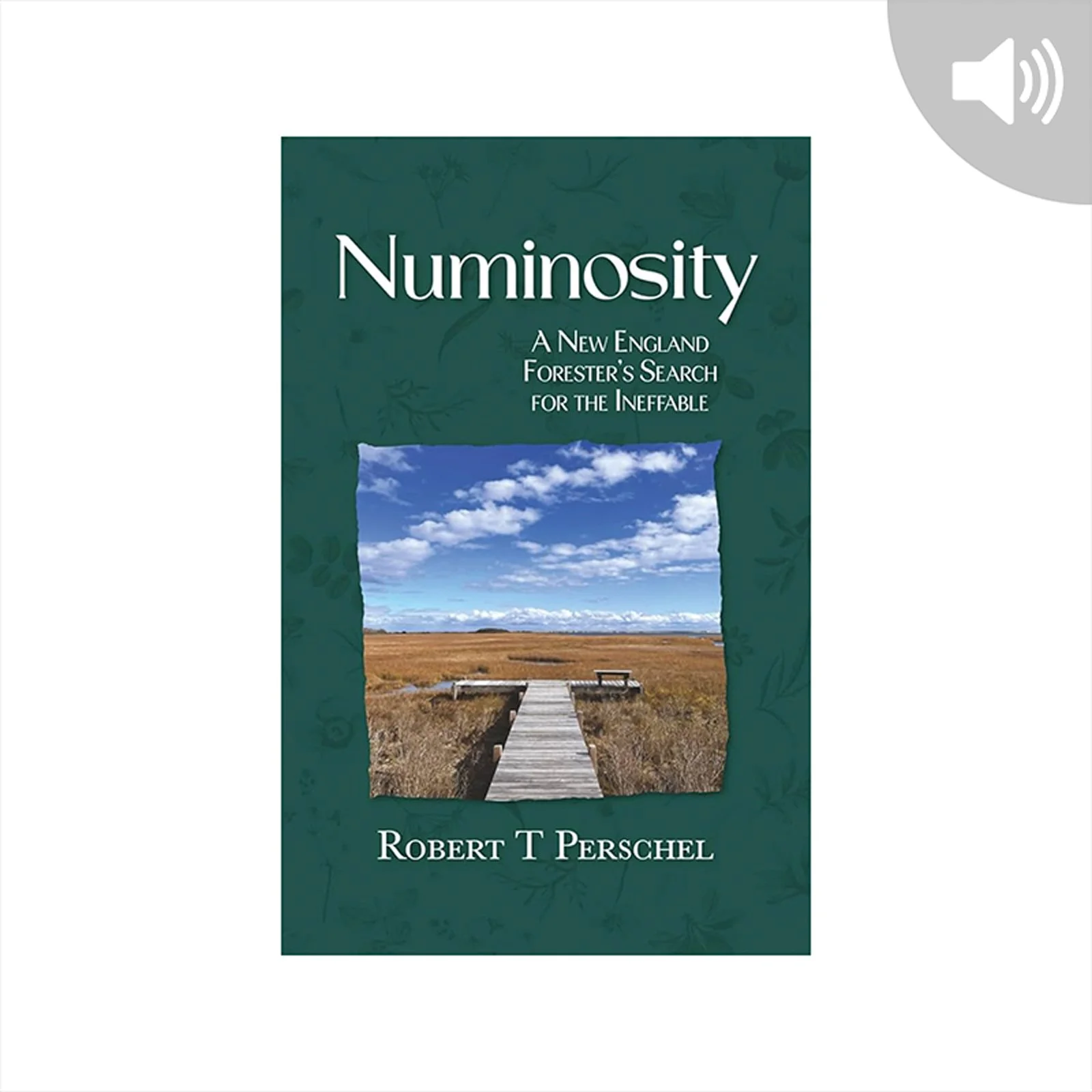
by Robert T. Perschel
Which approach to our forests harbors a greater richness and abundance of species? Well-managed forest or wilderness?
Wait. Do not answer that question.
It is framed in a way that perpetuates our Western, Eurocentric pattern of reducing things to their parts rather than seeing the whole. I touched upon this in one of my poems, “Long Division”: “How can you make something whole by breaking it in half?”
A better question would be: How do we embed a system of ecological reserves in a landscape-scale matrix of forests managed for timber and ecological values to achieve an optimum mix of species richness and abundance?
Reflections
Another Epistle to Be Left in the Earth
A poem by Robert T. Perschel
I will leave this in the Earth.
I will leave this Here, Under this rock,
Under this mountain
For ten thousand years.
Until after the warming.
I will tell them.
(those who come after)
I will tell them all I know.
I will tell them all I’ve seen.
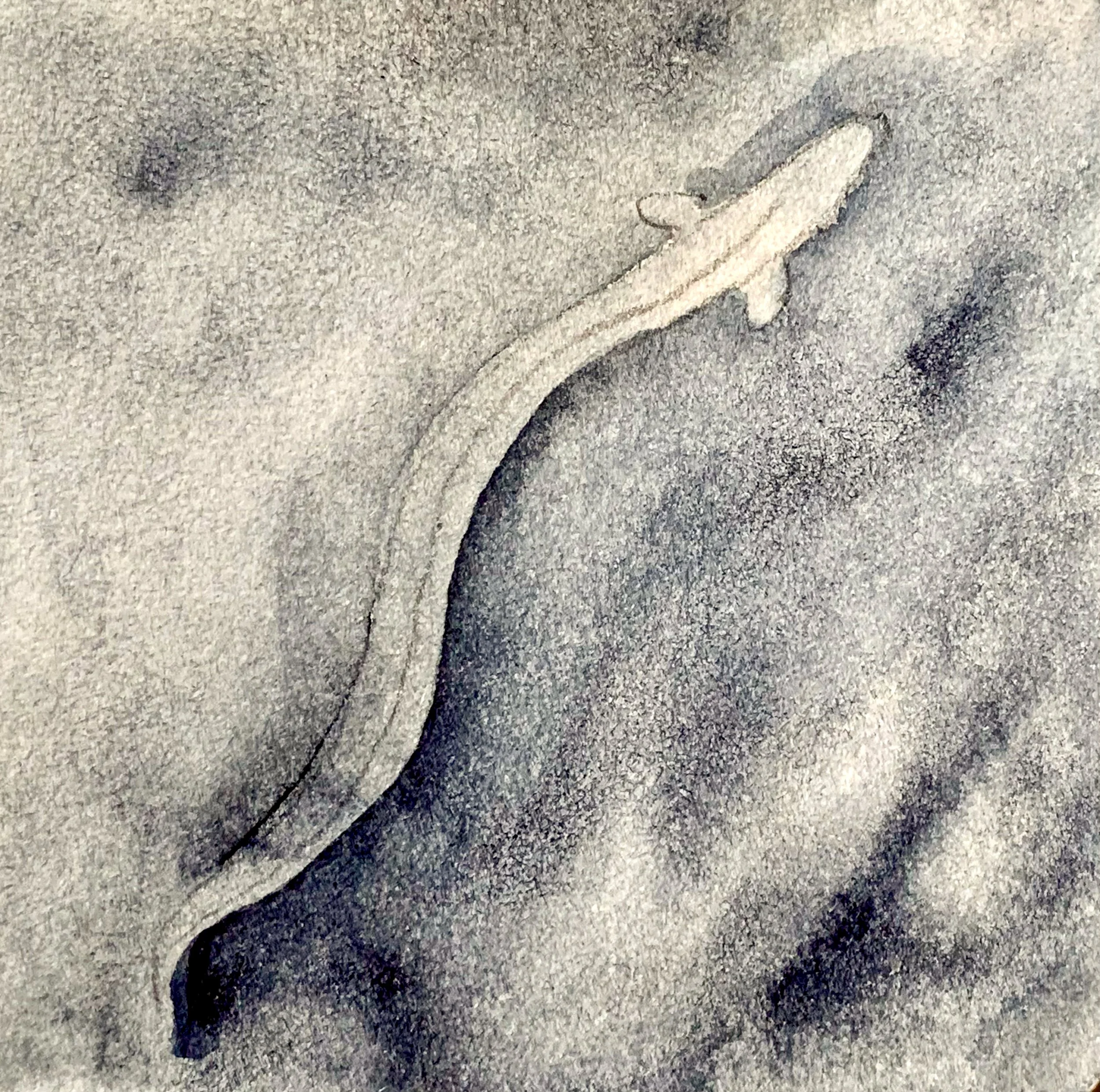
So We Don’t Forget
A poem by Mary Katherine Creel
Now, when I water the garden or fill a drinking glass,
I think about eels—slick & supple,
slender finned bodies, olive green & tannic as
the riverbeds they mourn. I think of eels moonlit & silver,
glass & dark elver, yellow hunters feeding forest floor,
laying down fat before migrating back to the sea
Want to join the conversation?
We invite your questions, reactions, debates, suggestions, and contributions. Our editorial team is committed to expanding the chorus of voices needed to safeguard the health, resiliency, and vibrancy of New England’s communities—both human and wild.
Read, Watch, Listen
-
![]()
Beyond the Easement: Equity, Markets, and Agrarian Identity in Farmland Conservation
University of Vermont Institute for Agroecology, April 2026
Read: A thoughtful look at farmland conservation, land access, agrarian identity, and the economic realities facing New England farmers. The piece asks what conservation must do to support both protected land and the people who steward it.
-
![]()
Decline of the North American Avifauna
Science, September 2019
Read: This landmark Science paper documents broad losses across North American bird populations, including many once-common species. It offers sobering context for local bird conservation and the need to protect habitat at meaningful scales.
-
![]()
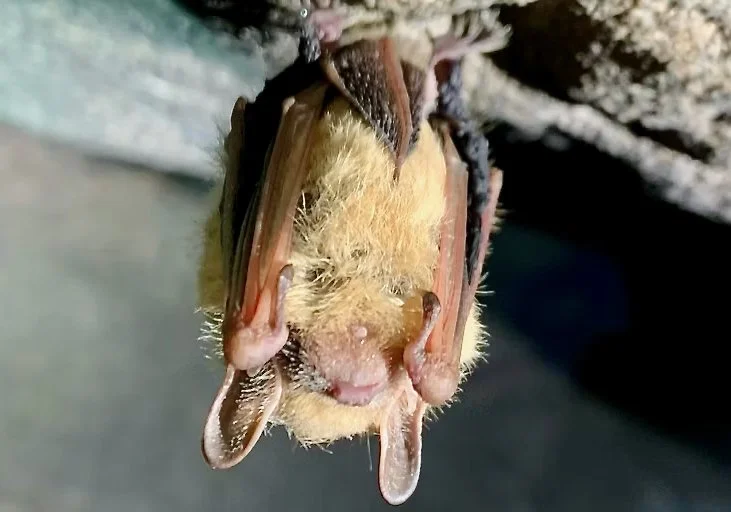
How Much Is a Bat Worth?
The Conversation, May 2026
Read: Bats provide pest control, pollination, and other benefits that ripple through farms, rural economies, and public finance. This article puts economic language around the ecological value of protecting these often-overlooked mammals.
-
![]()
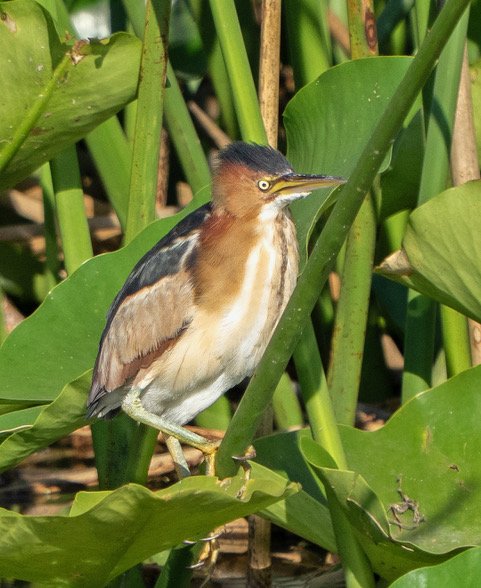
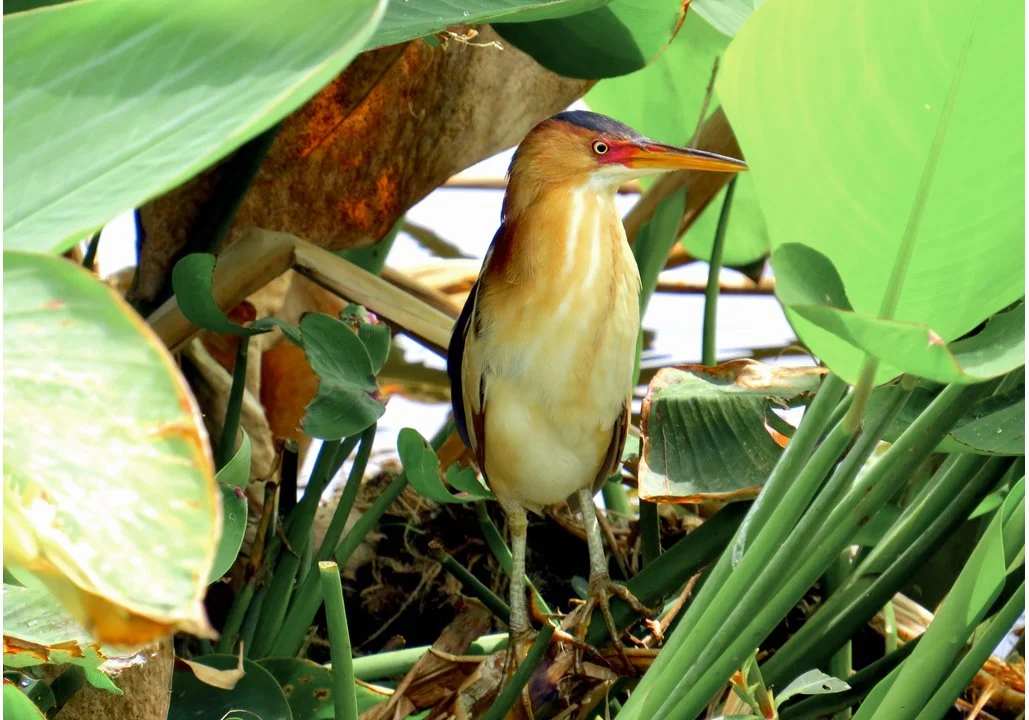
Monitoring Least Bitterns in Vermont for Better Conservation
ecoNEWS VT, November 2018
Read: A concise look at how researchers monitor one of the Northeast’s more elusive wetland birds. The story shows how better detection methods can guide wetland conservation and improve our understanding of rare species.
-
![]()
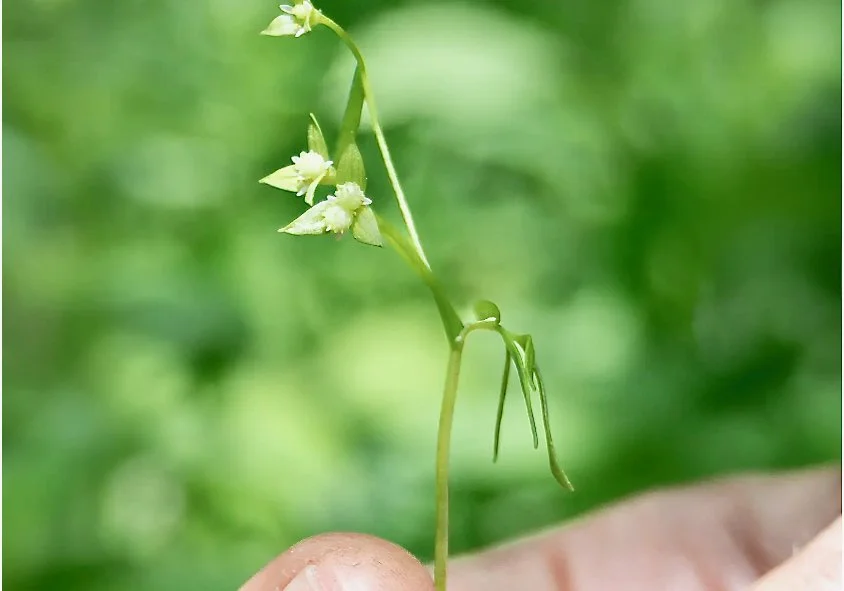
By a Stream in Vermont, a Glimpse of a Plant Last Seen a Century Ago
New York Times, June 2024
Read: A rare plant thought lost from Vermont since 1916 was rediscovered along a floodplain. The story is a reminder that careful observation, patient fieldwork, and intact habitat can still reveal ecological surprises.
-
![]()
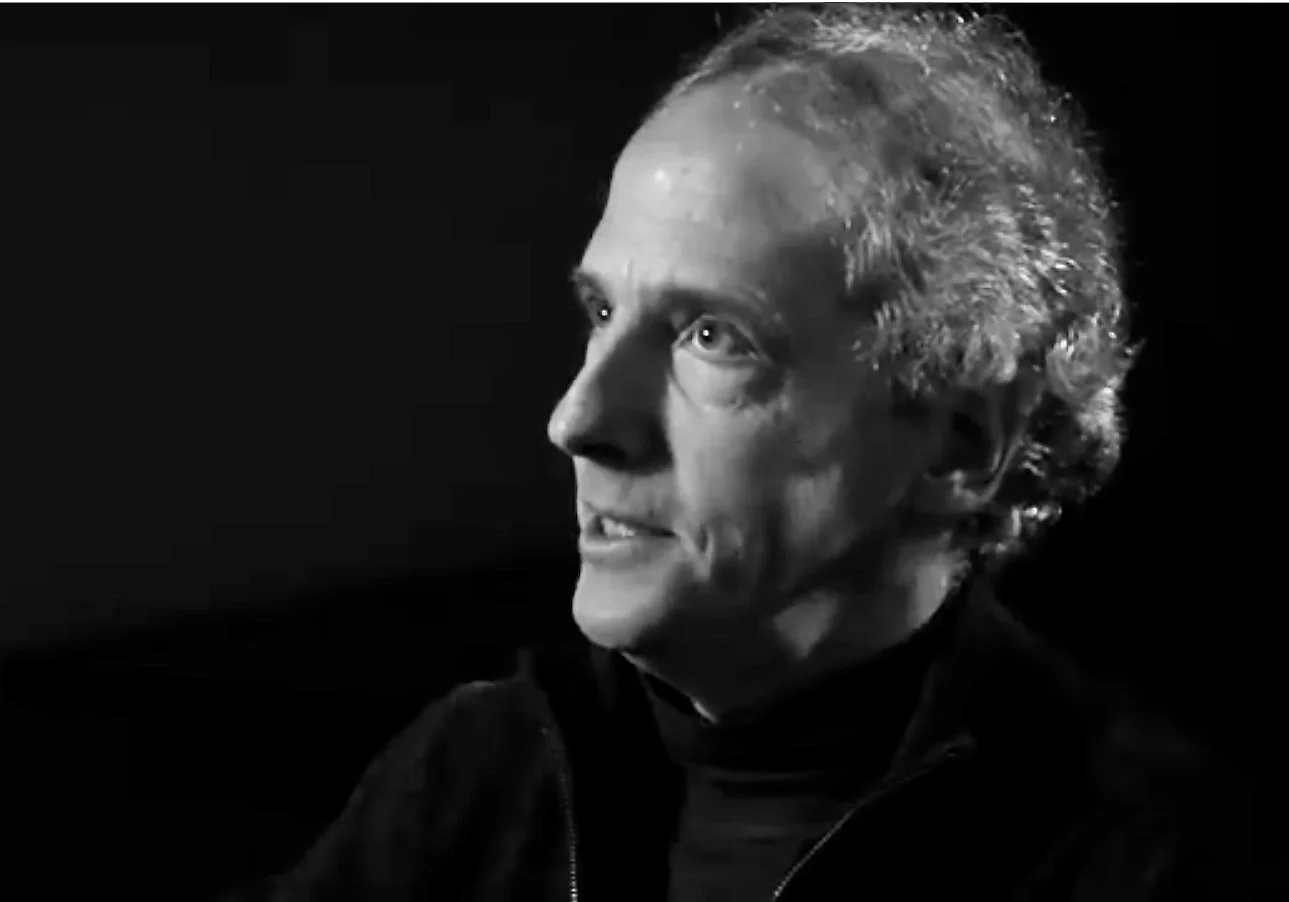
Larry Master, Why We Give Series
NatureServe - YouTube, November 2011
Watch: Larry Master reflects on a life in conservation, including his work as Chief Zoologist for The Nature Conservancy and NatureServe. A personal entry point into biodiversity, philanthropy, and the long work of protecting species.
-
![]()
Remembering Dr. Robert Jenkins, The Nature Conservancy’s First Science Director
Cool Green Science - Stories of The Nature Conservancy, December 2020
Read: A tribute to the scientist who helped shift conservation toward biodiversity, data, and strategic prioritization. Jenkins’ legacy offers a useful reminder that good conservation depends on knowing what is rare, representative, and at risk.
-
![]()
Perspectives on Development of Definitions and Values Related to Old-Growth Forests
Springer Nature Link, February 2023
Read: A useful scientific reference for understanding why “old growth” can be difficult to define. The article helps clarify how ecological structure, age, values, and management goals shape old-growth forest conservation.
-
![]()
The Dark Side of Fish Stocking
JSTOR Daily, March 2018
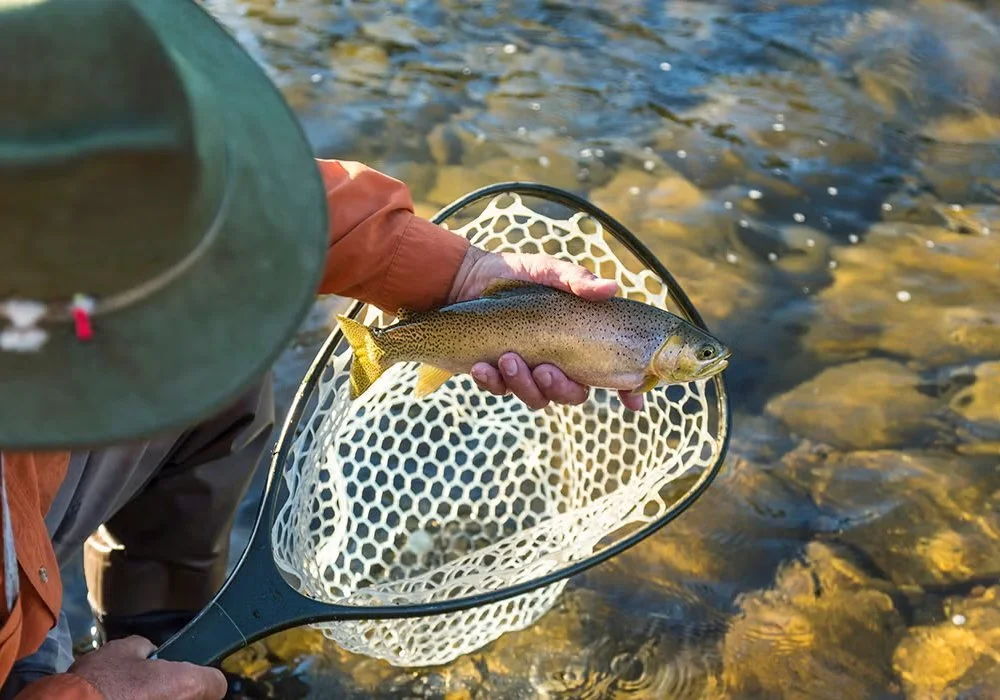
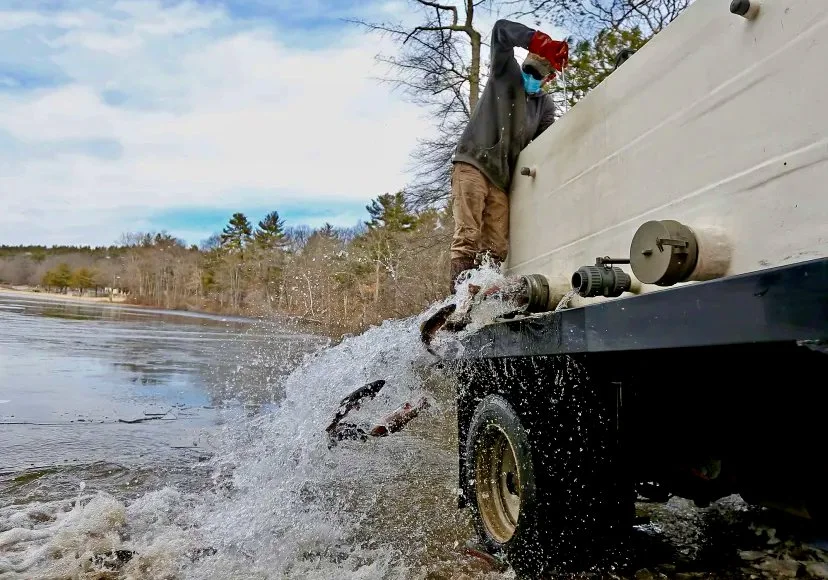
Read: A short, accessible overview of how stocking fish for recreation can reshape aquatic ecosystems, especially where trout are introduced into historically fishless waters. It raises useful questions about recreation, funding, and ecological tradeoffs.
-
![]()
The U.S. Has Spent More Than $2 Billion on a Plan to Save Salmon. The Fish Are Vanishing Anyway.
ProPublica, May 2022
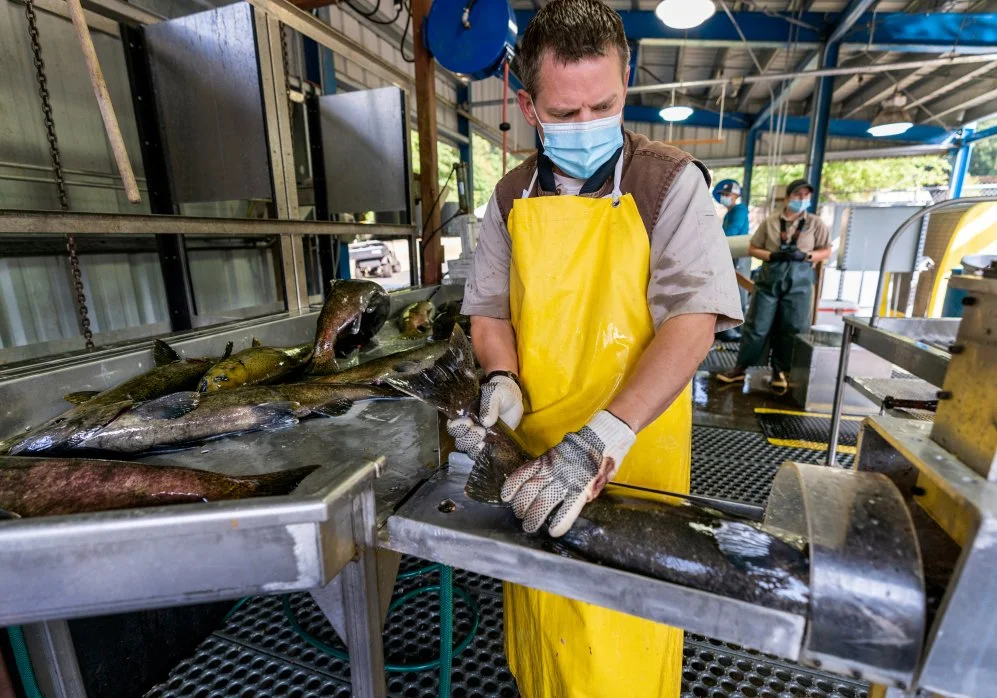
Read: This ProPublica investigation examines the limits of salmon hatcheries in the Columbia River Basin. It connects fisheries management, treaty obligations, dams, climate change, and the difficult gap between technological fixes and habitat recovery.
-
![]()
Fish Stocking Is Unleashing Millions of Nonnative Species Into Lakes and Rivers. Is That Bad?
Vox, March 2026
Read: Vox examines how fish stocking continues to shape lakes and streams across the country. The piece balances the cultural value of angling with growing concern over nonnative species, native fish, amphibians, and public wildlife funding.
-
![]()
What Climate Leadership Looks Like in Maine, with Hannah Pingree
What if We Get it Right? with Ayana Elizabeth Johnson, May 2026
Listen: How can we make things happen when federal leaders are climate deniers in the pocket of the fossil fuel industry? One answer is that state government leaders need to step up. Johnson speaks with Hannah Pingree, gubernatorial candidate in Maine, for insights.
-
![]()
Human-Wildlife Conflict Is Amplified During Periods of Drought
Phys.org, November 2025
Read: This Science Advances study connects drought with increased reports of conflict between people and wildlife. It underscores the need for climate-resilient landscapes that provide food, water, and refuge before animals are pushed into conflict.

The Bookshelf
Essential reading from our editors and contributors.

NOTE FROM OUR EDITORS
Climate change, environmental degradation, and the global loss of biodiversity aren’t just one-time crises—they’re daily threats to human well-being and to all life on Earth. Tackling them demands a bold, integrated approach to conservation, bridging forests, farms, fisheries, freshwater and marine systems, communities, and industries across New England.
Each season, we share stories, essays, in-depth reporting, interviews, art, photography, and poetry that showcase the diverse voices of individuals who exemplify the promise of the Wildlands, Woodlands, Farmlands & Communities vision—offering hope and momentum for positive change.
Our goal is to inspire action for policies and practices that safeguard New England’s land and water for all who make their home here.
If you’re new to From the Ground Up, we encourage you to read “An Integrated Approach to New England Conservation and Community” by Brian Donahue.